Optimal Timing for Curb Cuttings
Curb cuttings are essential modifications made to sidewalks and curbs to improve accessibility and safety. The timing of these cuttings influences their effectiveness, durability, and compliance with local regulations. Proper scheduling ensures minimal disruption and optimal results.
Spring and early summer are ideal due to moderate weather conditions, which facilitate proper curing and reduce the risk of delays caused by adverse weather.
Avoid curb cuttings during freezing temperatures or heavy rainfall, as these conditions can compromise the integrity of the concrete and delay project timelines.
Coordinate with local authorities to schedule curb cuttings during periods of low street traffic and before major city events to ensure smooth execution.
Temperature fluctuations affect concrete setting times; warmer weather accelerates curing, while colder conditions may require additional measures for proper hardening.

Ways to make Curb Cuttings work in tight or awkward layouts.
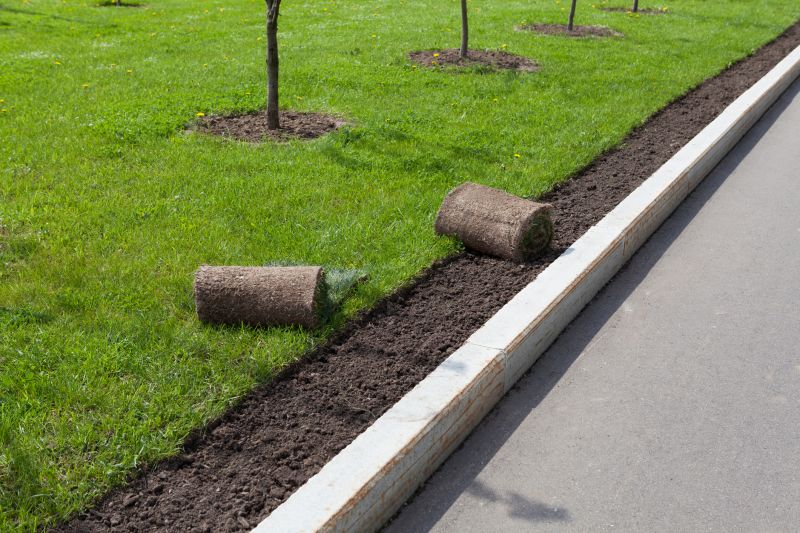
Popular materials for Curb Cuttings and why they hold up over time.
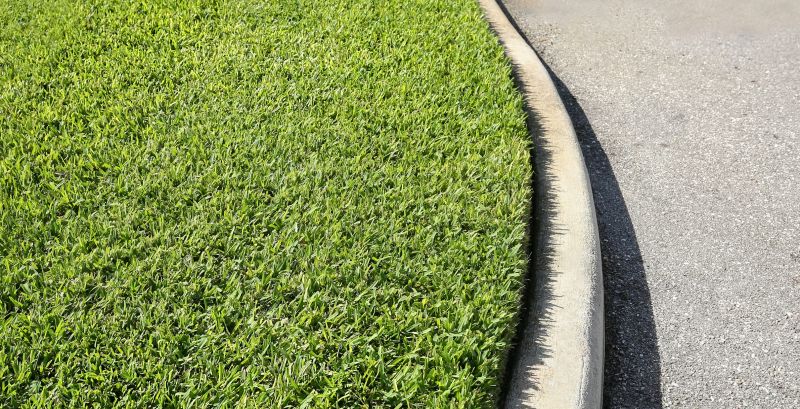
Simple add-ons that improve Curb Cuttings without blowing the budget.

High-end options that actually feel worth it for Curb Cuttings.
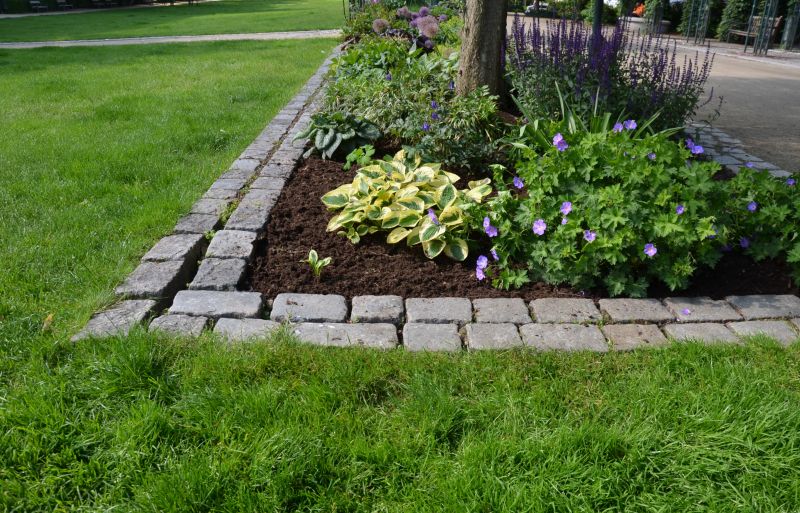
Finishes and colors that play nicely with Curb Cuttings.
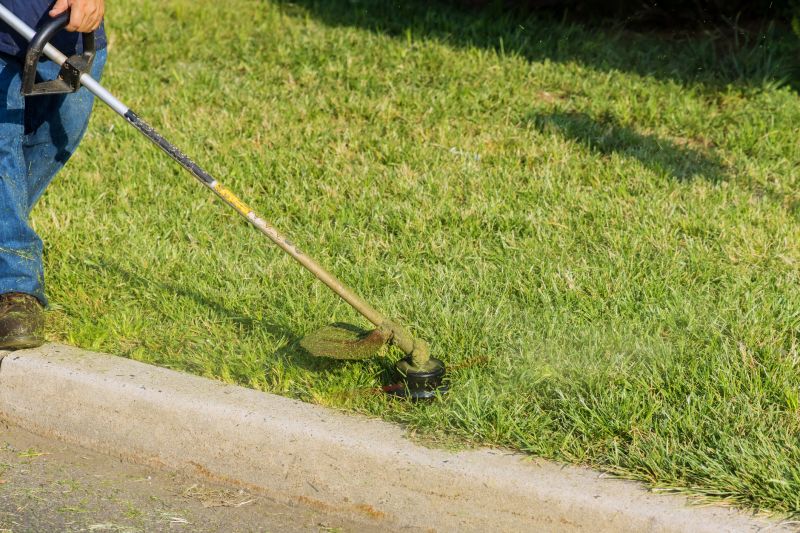
Little measurements that prevent headaches on Curb Cuttings day.
Curb cuttings involve precise modifications to existing infrastructure to enhance accessibility for pedestrians, particularly for individuals with mobility challenges. Proper timing not only ensures compliance with accessibility standards but also enhances the longevity of the modifications. Planning around seasonal weather patterns and local regulations is crucial for successful implementation.
| Season | Ideal Conditions |
|---|---|
| Spring | Moderate temperatures, minimal rainfall |
| Summer | Warm weather, dry conditions |
| Fall | Cooler temperatures, dry days |
| Winter | Freezing temperatures, snow, and ice |
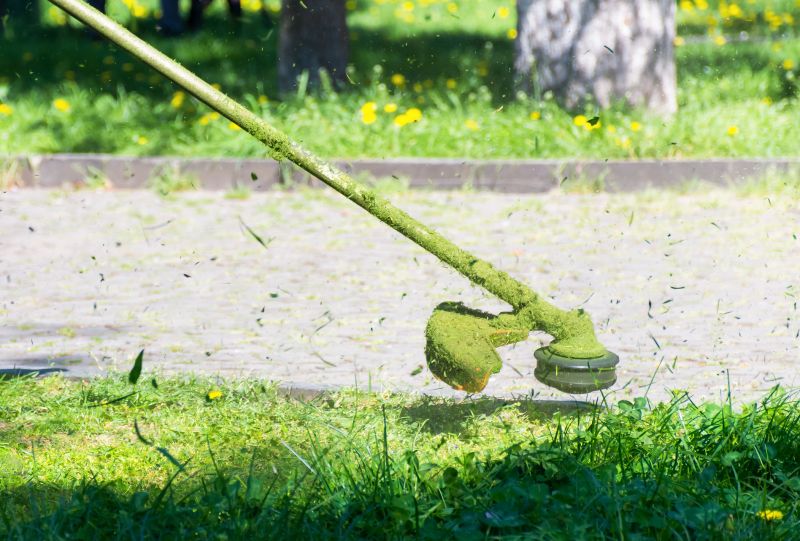
A 60-second routine that keeps Curb Cuttings looking new.
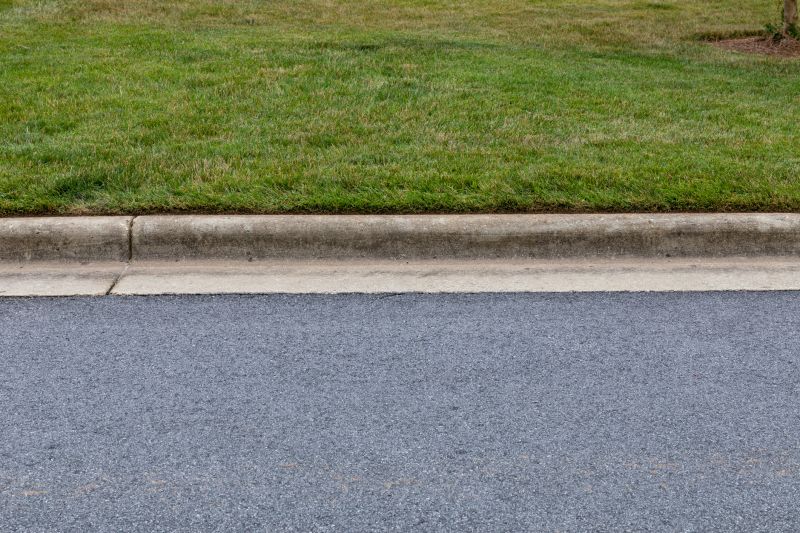
A frequent mistake in Curb Cuttings and how to dodge it.

Small tweaks to make Curb Cuttings safer and easier to use.
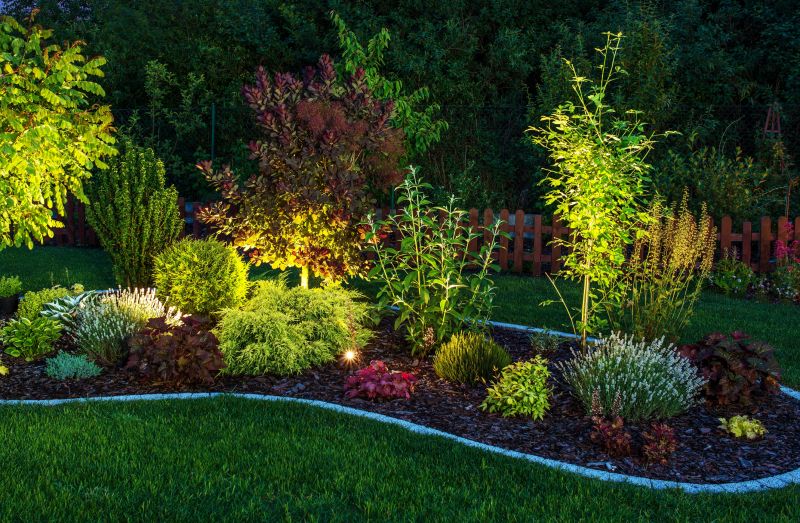
Lower-waste or water-saving choices for Curb Cuttings.
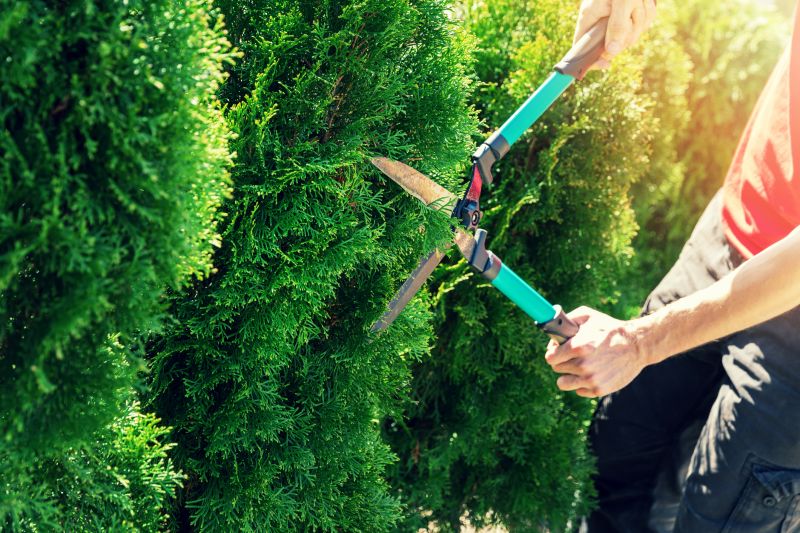
The short, realistic tool list for quality Curb Cuttings.
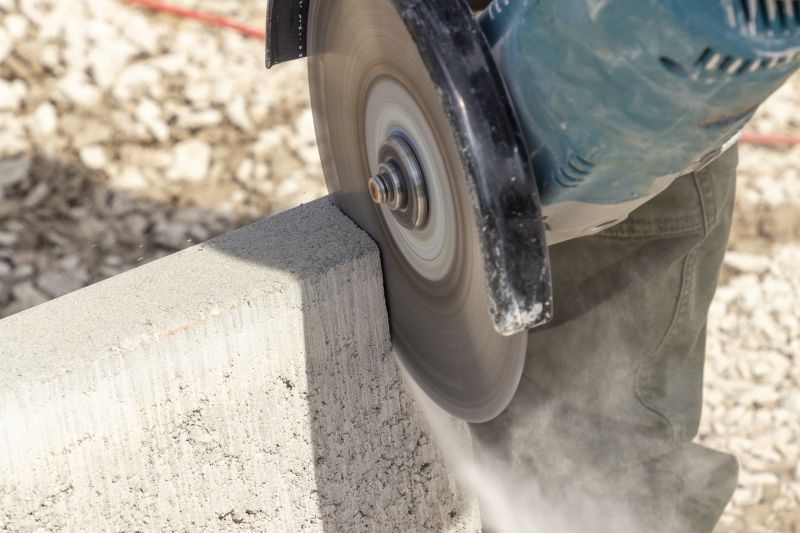
Rough timing from prep to clean-up for Curb Cuttings.
Quick checks and paperwork to keep after Curb Cuttings.
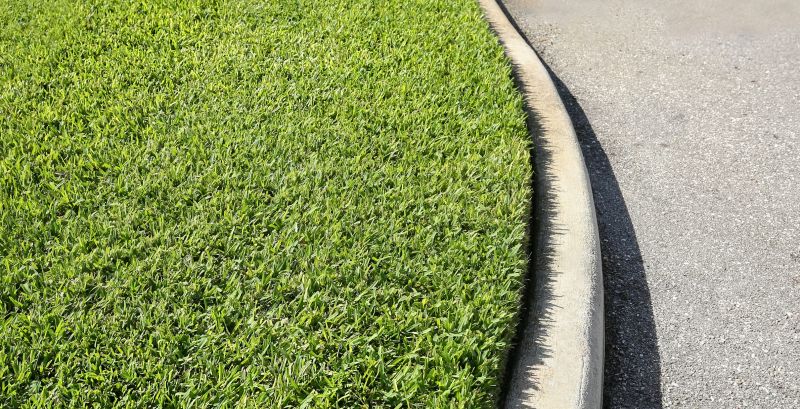
Examples that show the impact a good Curb Cuttings can make.
Understanding the optimal timing for curb cuttings can lead to better project outcomes, including enhanced safety, compliance, and durability. Scheduling during suitable weather conditions minimizes delays and reduces potential costs. Proper planning with consideration for seasonal variations ensures curb modifications meet long-term performance standards.
Interested in scheduling curb cuttings? Fill out the contact form to discuss project details and timing options.