Get Curb Cutting in Kansas City, MO
Curb Cutting services provided by local contractors help Kansas City property owners create accessible ramps and smooth pathways for wheelchairs, strollers, and mobility needs.
Property owners in Kansas City, MO, considering curb cutting services often seek practical solutions to improve accessibility, drainage, or driveway functionality. Whether preparing for a new construction project, updating an existing driveway, or making a property more accessible for vehicles and pedestrians, having experienced local contractors handle the work can ensure the project meets local standards and specific site conditions. Exploring different options and planning ahead can help property owners make informed decisions that enhance safety and convenience for residents and visitors alike.
As you evaluate options for curb cutting services, it’s helpful to compare the offerings of various local service providers who understand the unique needs of Kansas City-area properties. Many experienced contractors can assist with planning, ensuring the work aligns with local regulations and property requirements. Continuing to explore your options can lead to finding the right professionals to help achieve your project goals efficiently and effectively.
- Curb Cutting - needed when creating accessible entrances for homes or businesses in neighborhoods like Brookside or Waldo.
- Sidewalk Modifications - required to improve mobility access along busy commercial streets in downtown Kansas City.
- Driveway Apron Removal - necessary when replacing or upgrading existing driveways in residential areas such as North Kansas City.
- Parking Lot Curb Cuts - essential for commercial properties seeking to meet accessibility standards in the Crossroads Arts District.
- Public Walkway Curb Cuts - needed when making city sidewalks more accessible for pedestrians and wheelchair users in nearby neighborhoods.
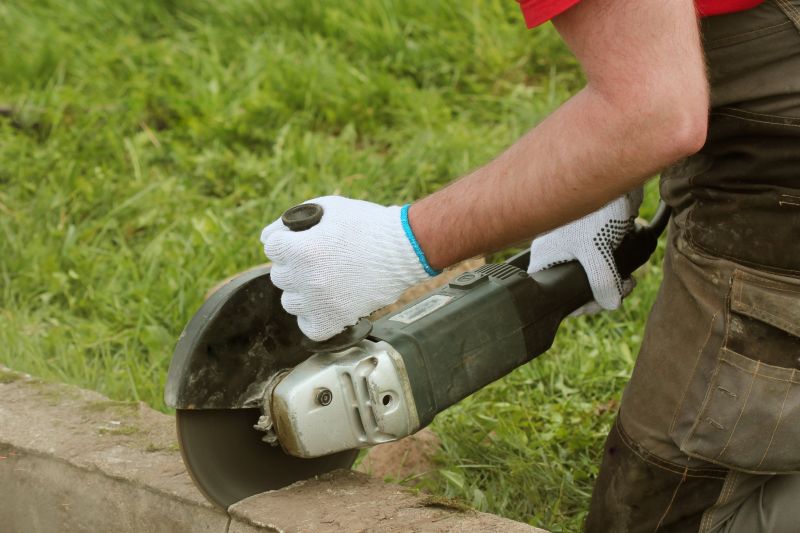
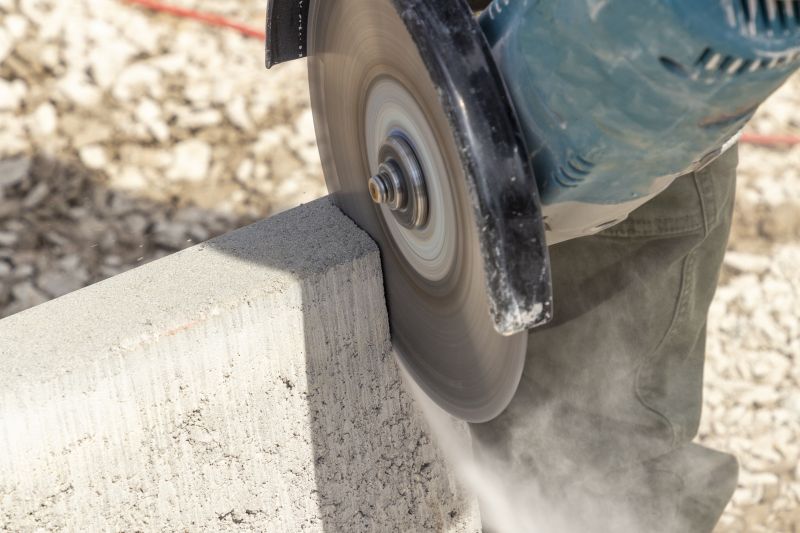
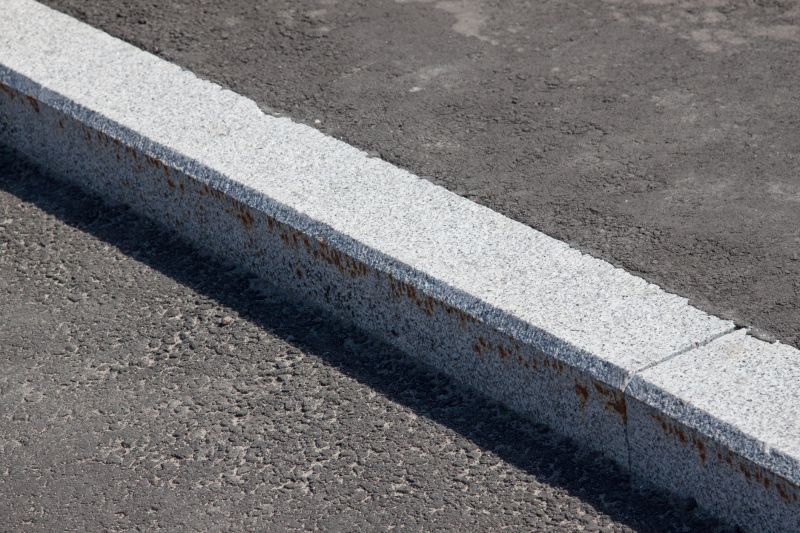
Curb cutting services involve modifying existing sidewalks, driveways, or pathways to create smooth, accessible entry points. This process typically includes removing a section of concrete or asphalt and replacing it with a gently sloped ramp that connects the street or sidewalk to a property’s entrance. The goal is to provide a seamless transition that makes it easier to navigate for individuals using wheelchairs, walkers, or strollers, as well as for those carrying heavy loads or managing mobility challenges. Skilled service providers use specialized tools and techniques to ensure the new curb cut blends well with the surrounding surface while maintaining safety and durability.
This service helps address several common problems faced by property owners. Steep or uneven curbs can be a barrier for people with mobility devices or for those pushing carts or strollers. Inaccessible entryways may limit the ability of residents or visitors to reach a property comfortably. Additionally, curb cuts can improve safety by reducing tripping hazards and ensuring compliance with accessibility standards. Whether a property has a traditional sidewalk street frontage or an uneven driveway, curb cutting can make a significant difference in improving access and usability.
Properties that frequently utilize curb cutting services include residential homes, especially those with elderly or disabled residents, as well as apartment complexes and multi-unit buildings. Commercial properties, such as retail stores, office buildings, and healthcare facilities, also often require curb cuts to meet accessibility requirements and serve customers or clients with mobility needs. Public spaces, including parks and community centers, may also benefit from curb cuts to promote easier access for all visitors. These projects are common in neighborhoods where existing curbs are not wheelchair-friendly or where renovations aim to improve overall accessibility.
Homeowners and property managers considering curb cutting services should evaluate their specific access needs and property layout. This work is particularly useful when installing new ramps, upgrading older sidewalks, or making modifications for improved safety and convenience. Service providers can assess the site and recommend appropriate solutions to ensure that curb cuts are functional, compliant, and visually integrated with the existing landscape. Connecting with experienced local contractors can help determine the best approach to enhance accessibility and create smoother pathways for everyone.
The overview below groups typical Curb Cutting projects into broad ranges so you can see how smaller, mid-sized, and larger jobs often compare in Kansas City, MO.
In many markets, a large share of routine jobs stays in the lower and middle ranges, while only a smaller percentage of projects moves into the highest bands when the work is more complex or site conditions are harder than average.
Smaller Repairs - Typical costs for minor curb cutting jobs in Kansas City, MO range from $250-$600. Many routine repairs fall within this range, especially for straightforward sidewalk or driveway adjustments.
Standard Curb Cuts - For more common curb removal or modification projects, local contractors often charge between $600-$1,200. These projects usually involve accessible sidewalk ramps or driveway entries.
Large or Complex Projects - Larger, more intricate curb cutting jobs, such as extensive driveway replacements or custom modifications, can range from $1,200-$3,500+. Fewer projects fall into this tier, but they are necessary for significant site changes.
Full Replacement - Complete curb replacements or major sidewalk overhauls typically cost $3,500-$5,000+ in the Kansas City area. These projects are less common and often involve extensive planning and materials.
Actual totals will depend on details like access to the work area, the scope of the project, and the materials selected, so use these as general starting points rather than exact figures.
Sidewalk Repair and Replacement - Local contractors skilled in sidewalk repairs often have the experience needed for curb cutting projects, ensuring smooth transitions and proper surface finishes.
Driveway Apron Installation - Installing or repairing driveway aprons requires similar planning and tools as curb cutting to create seamless access points.
Accessibility Ramps Construction - Building ramps for wheelchair access involves precise cutting and planning, paralleling the skills used in curb modification services.
Parking Lot Paving and Repairs - Paving projects often include curb adjustments, requiring similar surface preparation and cutting techniques by local service providers.
Street and Sidewalk Excavation - Excavation work for street or sidewalk improvements shares planning and equipment needs with curb cutting tasks.
Utility Line Installation - Installing underground utilities may involve cutting curbs or sidewalks, requiring careful planning and precise execution by experienced contractors.
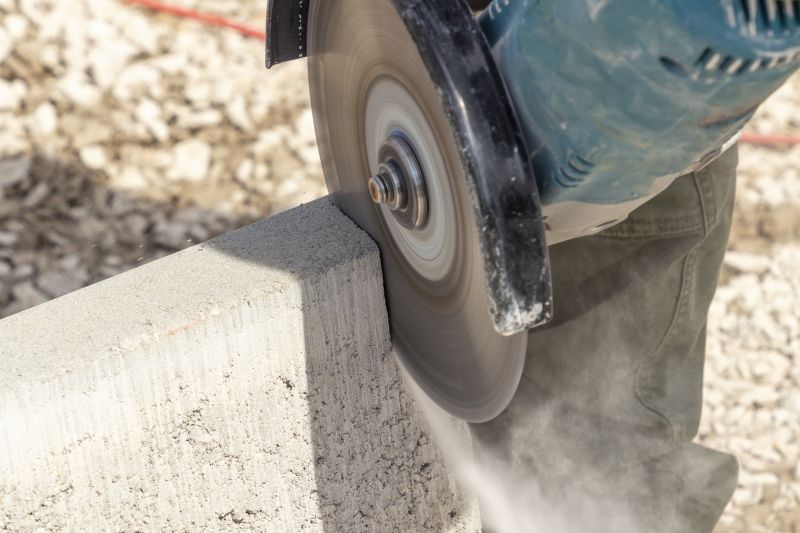
When evaluating potential contractors for curb cutting projects, it’s important to consider their experience with similar types of work. Homeowners should look for service providers who have a proven track record of handling projects comparable in scope and complexity. Asking about previous work or requesting references can help determine if a contractor has the necessary expertise to meet specific needs, ensuring the job is completed efficiently and effectively.
Clear communication of expectations is essential when working with local contractors. Homeowners should seek service providers who can provide detailed explanations of their process, materials, and any potential considerations related to the project. Having written estimates or scope of work helps ensure everyone is aligned on the project’s details, reducing misunderstandings and facilitating a smoother experience from start to finish.
Reputation and communication are key factors in selecting a reliable curb cutting contractor. Homeowners are encouraged to gather references or reviews from previous clients to gauge the quality of work and professionalism. Good communication also involves responsiveness and transparency throughout the process, making it easier to address questions or concerns promptly. It’s important to remember that the site functions as a resource to connect homeowners with qualified local service providers, not as a contractor or performer of the work itself.
Property owners in Kansas City, MO use Curb Cutting services for practical projects around their homes and businesses. This guide focuses on everyday jobs and straightforward project options.
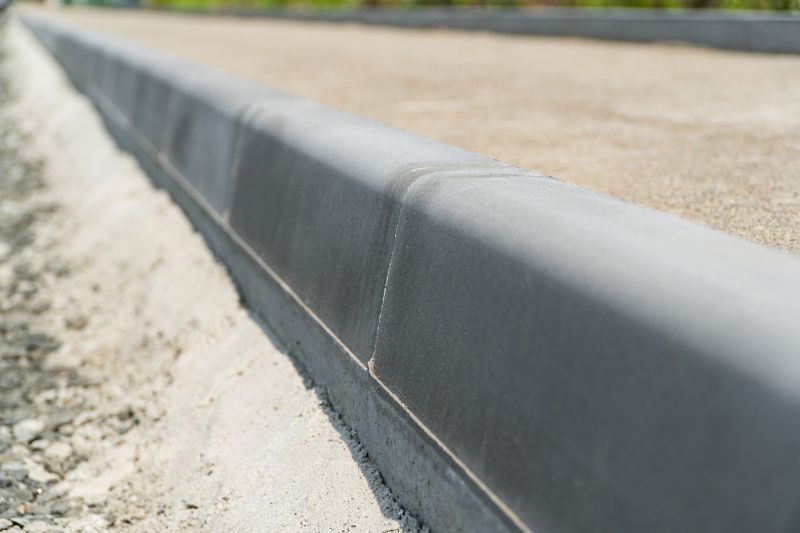
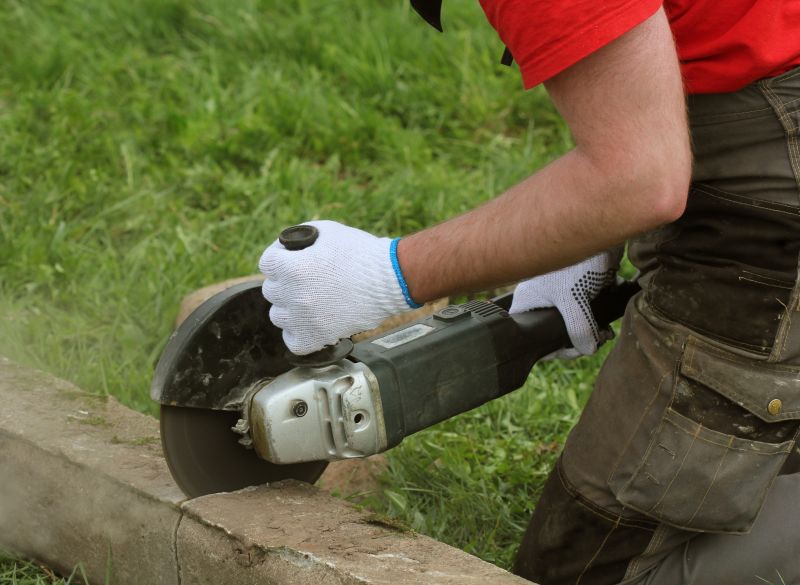
Curb cutting services are often needed for everyday projects around Kansas City, MO, such as making sidewalks more accessible for individuals with mobility challenges or installing new driveways that require a smooth transition from the street. Property owners may seek out local contractors to create safe, compliant access points that improve the functionality and safety of their outdoor spaces. Whether for residential homes, commercial buildings, or public areas, these services help ensure that curb heights are adjusted appropriately to meet specific needs.
In addition, property owners might look for curb cutting work when renovating or updating their properties to meet accessibility standards or to accommodate new vehicle access. Local service providers can handle tasks like widening existing curb openings or creating new ones to facilitate easier entry and exit, especially in busy neighborhoods or commercial zones. By connecting with experienced contractors, property owners can find solutions that improve convenience and accessibility for everyday use.
What is curb cutting service? Curb cutting service involves creating a smooth, accessible entryway by removing or modifying a section of the curb to accommodate mobility devices, wheelchairs, or easier access for all users.
Who provides curb cutting services? Local contractors and service providers in Kansas City, MO, and nearby areas specialize in curb cutting, ensuring accessibility standards are met for residential and commercial properties.
Are curb cuts suitable for all types of properties? Curb cuts can be installed on various property types, including homes, businesses, and public spaces, to improve accessibility and comply with local regulations.
What materials are used for curb cuts? Curb cuts are typically made using durable materials like concrete or asphalt, designed to withstand weather and regular use in outdoor environments.
How do I find local contractors for curb cutting? This website helps connect with local service providers who specialize in curb cutting services in Kansas City, MO, and surrounding areas, making it easier to compare options and get the job done.
Driveway Accessibility - Property owners can improve access for vehicles by installing a curb cut, making it easier to enter and exit the driveway.
Garage Entrance Expansion - Expanding the opening at the curb allows for larger vehicles or easier garage access in busy neighborhoods.
Property Accessibility Upgrades - Curb cutting can help create smooth transitions for wheelchairs, strollers, or mobility aids across sidewalks.
Parking Area Improvements - Installing curb cuts can facilitate better parking options and easier loading zones for residential or commercial properties.
If you are thinking about Curb Cutting for a property in Kansas City, MO, this guide is meant to help you understand the work, the typical project types, and how different options might fit your plans.
When you are ready, you can use the quote form on this page to share a few details about your project. From there, local pros can review the basics and respond with options that match what you have in mind.